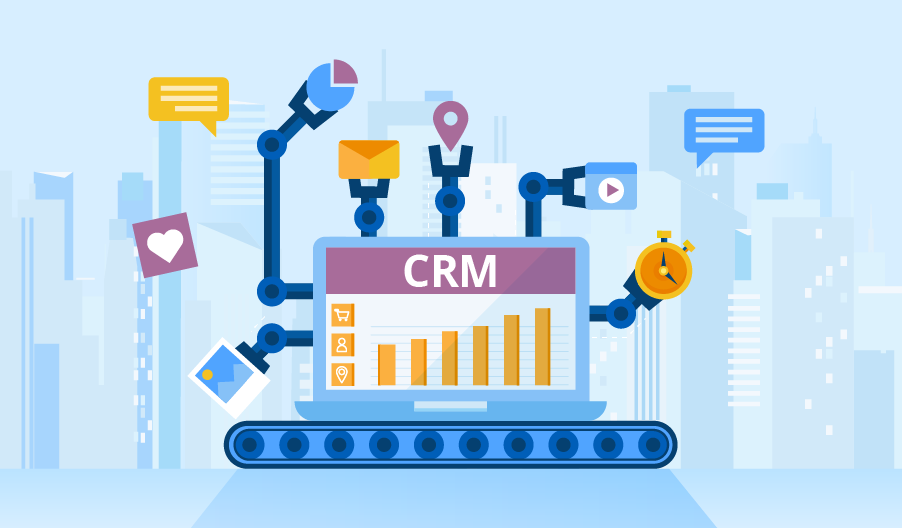
In the digital age, where customer interactions span multiple channels, businesses are increasingly turning to innovative solutions to streamline marketing efforts and enhance customer engagement. One such solution that has revolutionized the marketing landscape is CRM marketing automation. This comprehensive guide explores the significance of CRM marketing automation, its key features, benefits, and best practices for implementation.
Understanding CRM Marketing Automation
What is CRM Marketing Automation?
CRM marketing automation refers to the use of Customer Relationship Management (CRM) software to automate marketing processes, tasks, and workflows. It enables businesses to streamline lead generation, nurturing, and conversion by delivering personalized, timely, and relevant marketing messages to prospects and customers across various channels.
Key Components of CRM Marketing Automation
- Lead Scoring and Segmentation: Automatically score leads based on their engagement level and behavior, segment leads into distinct groups based on demographics, interests, or purchase history, and tailor marketing messages accordingly.
- Email Marketing Automation: Create personalized email campaigns, automate email sends based on triggers such as website visits or form submissions, and track email engagement metrics such as open rates, click-through rates, and conversions.
- Workflow Automation: Automate repetitive marketing tasks and workflows such as lead nurturing sequences, follow-up emails, and campaign management, saving time and increasing efficiency.
- Multi-channel Campaign Management: Manage marketing campaigns across multiple channels such as email, social media, SMS, and website, ensuring a cohesive and consistent customer experience across touchpoints.
- Analytics and Reporting: Track key marketing metrics such as campaign performance, lead conversion rates, and return on investment (ROI), and gain insights into customer behavior and preferences to optimize marketing strategies.
Benefits of CRM Marketing Automation
1. Enhanced Lead Generation and Nurturing
CRM marketing automation streamlines lead generation processes, identifies high-quality leads, and nurtures them through personalized, automated workflows, increasing the likelihood of conversion.
2. Improved Customer Engagement and Retention
By delivering personalized and timely marketing messages across various channels, CRM marketing automation enhances customer engagement, fosters brand loyalty, and increases customer retention rates.
3. Increased Efficiency and Productivity
Automation of repetitive marketing tasks and workflows frees up time for marketers to focus on strategy, creativity, and analysis, leading to increased efficiency, productivity, and innovation.
4. Better Insights and Decision-making
CRM marketing automation provides valuable insights into marketing performance, customer behavior, and trends, enabling data-driven decision-making, optimization of marketing strategies, and continuous improvement.
5. Scalability and Growth
CRM marketing automation scales with the needs of businesses, accommodating increasing customer volumes, expanding marketing initiatives, and evolving business goals, supporting growth and scalability in the long term.
Implementing CRM Marketing Automation
Steps to Successful Implementation
- Define Goals and Objectives: Identify your marketing goals, target audience, and key performance indicators (KPIs) to guide the implementation of CRM marketing automation.
- Select the Right CRM Platform: Choose a CRM platform that offers robust marketing automation capabilities, aligns with your business needs, and integrates seamlessly with your existing systems and tools.
- Map Out Customer Journeys: Map out customer journeys and identify touchpoints where marketing automation can be implemented to enhance engagement and drive conversions.
- Create Personalized Content: Develop personalized content such as emails, landing pages, and social media posts tailored to different segments of your audience and stages of the customer journey.
- Set Up Automation Workflows: Set up automation workflows to automate lead nurturing, onboarding, re-engagement, and other marketing processes, ensuring timely and relevant communication with prospects and customers.
- Test and Optimize: Continuously monitor and analyze the performance of your automation workflows, experiment with different strategies and tactics, and optimize campaigns based on insights and feedback.
Best Practices for CRM Marketing Automation
1. Segment Your Audience
Segment your audience based on demographics, interests, behavior, and purchase history to deliver personalized marketing messages that resonate with different segments of your audience.
2. Focus on Customer Experience
Prioritize customer experience throughout the automation process, ensuring that marketing messages are relevant, timely, and valuable to recipients, and align with their preferences and needs.
3. Use Data Wisely
Collect and analyze data to gain insights into customer behavior, preferences, and trends, and use these insights to tailor marketing messages, optimize campaigns, and drive better results.
4. Test and Iterate
Continuously test different elements of your automation workflows such as subject lines, messaging, timing, and calls-to-action, and iterate based on results to improve performance and effectiveness.
Conclusion
CRM marketing automation is a powerful tool for businesses looking to streamline marketing efforts, enhance customer engagement, and drive growth. By automating lead generation, nurturing, and conversion processes, businesses can deliver personalized, timely, and relevant marketing messages that resonate with their audience and drive results.
Implementing CRM marketing automation requires careful planning, alignment with business goals, and a focus on customer experience. By following best practices, experimenting with different strategies, and continuously optimizing campaigns based on data and insights, businesses can leverage CRM marketing automation to achieve their marketing objectives and thrive in today’s competitive marketplace.
